Tag Archives: New Horror Book

Saints & Skeletons

My latest novel, ‘The Lychgate,’ allowed me to indulge in writing some good, old-fashioned, last person standing survival horror. I always have a strong pull towards ‘story,’ so there had to be more meat on the bone than pure situational hi-jinks. By the time everything kicks off, the reader should feel invested in the characters and back-story. A tale that makes sense, rather than offering some weak excuse for undead corpses going on a wild killing spree as an afterthought.

The premise surrounding the book had been bouncing around in my mind (and sitting on my ideas notepad) for about a year. Lychgates have always held a distinct fascination. The variety and history behind them, adds to the enjoyment of visiting many an English church. As a long-time fan of fantasy literature and a student of folklore, the common etymology shared by a mythical ‘Lich’ creature and this familiar churchyard architecture was too good to pass up. A Lich is typically the resurrected but decayed body of a holy man, raised by devoted followers reciting their ancient incantations. Legend depicts them being master manipulators, enslaving an army of the risen dead. Both ‘Lich’ and ‘Lychgate’ come from the old English word ‘Lic,’ or corpse. Before mortuaries and refrigeration, when most people died at home, bodies would reside with a guard under the lychgate until the funeral took place. The service began at the gate and proceeded inside the church; re-emerging for burial within its consecrated boundary.

For setting, I toyed with a variety of environments. The one I kept coming back to, and which provided ample scope for isolation and subsequent wild terror (hidden from the modern world), was the South Lincolnshire Fens: Big skies, bleak landscapes, and difficult to traverse terrain thanks to criss-crossing drainage channels. Close enough to civilisation to be engaging, yet remote enough to provoke a sense of helplessness.

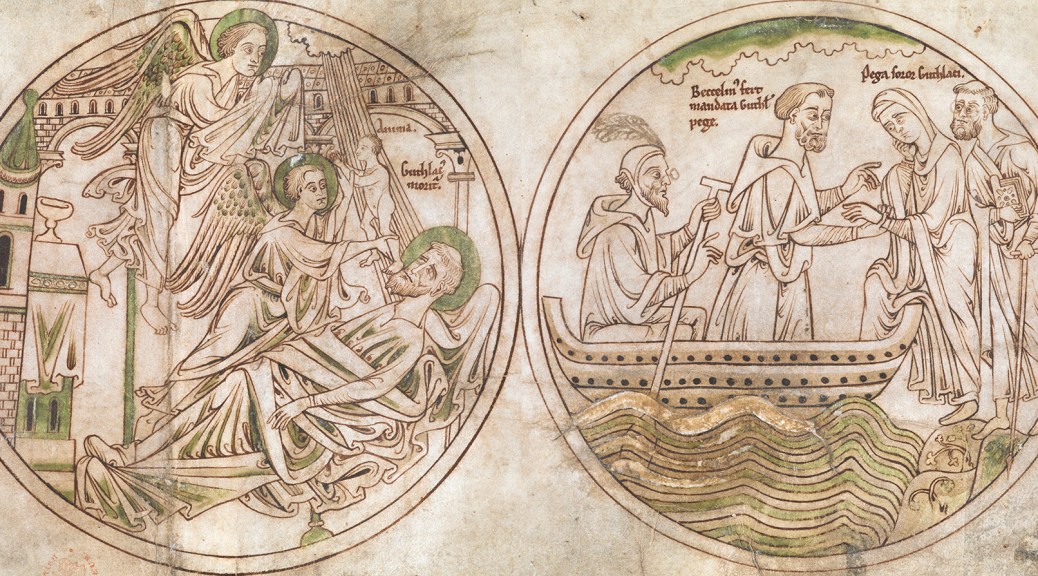
A creepy setting always works best when it’s an integral part of the story, rather than a tacked-on device for dramatic effect. So it was that I delved into local history, in search of characters and legends around which I could build the monster’s genesis. The British Museum features a historic, pictorial document called ‘The Guthlac Roll.’ This depicts the story of St. Guthlac, a late seventh century Mercian soldier turned monk. He resided as an anchorite on the island of Croyland, where present day Crowland sits today. Guthlac was said to have settled in an oratory formed from a barrow, with his younger sister St. Pega and a male helper called Beccelm. Pega left to found her own oratory at Peakirk, when both those sites were still islands in the previously undrained fens. After Guthlac’s death, Pega supposedly moved several items from her brother’s tomb, before his resting place was re-located. His body was re-sited a couple more times after the construction of Crowland Abbey. Roundels on ‘The Guthlac Roll’ show the saint fighting demons and driving out a demoniac. These tales offered a perfect situation around which to introduce Nechtan, a holy man of the Bilmingas tribe who comes into conflict with him. Keying aspects of Guthlac and Pega’s lives into the plot became a joy after that, and added significant breadth to the overall tale.

Parallels are always fun when spinning a yarn. With ‘The Lychgate,’ there is a foundation based on a vengeful, pagan spiritual manipulator, ousted by a new religion. He carries that offence beyond the grave, longing for retribution and power. In the modern world, several of the characters are ousted from their own comfortable lives by new ‘religions’ like political correctness, corporate profiteering, liberal orthodoxy and an obsession with metrics. It is these supplanting ideas that drive them to join life at an off-grid community. One promising to provide an antidote to the modern world and its insane doctrines. The only problem is that in literally digging up the past, they unearth an evil of significant destructive power and unfathomable malevolence. Think ‘The Mummy’ meets ‘The Evil Dead’ and you’ll have some idea what to expect.

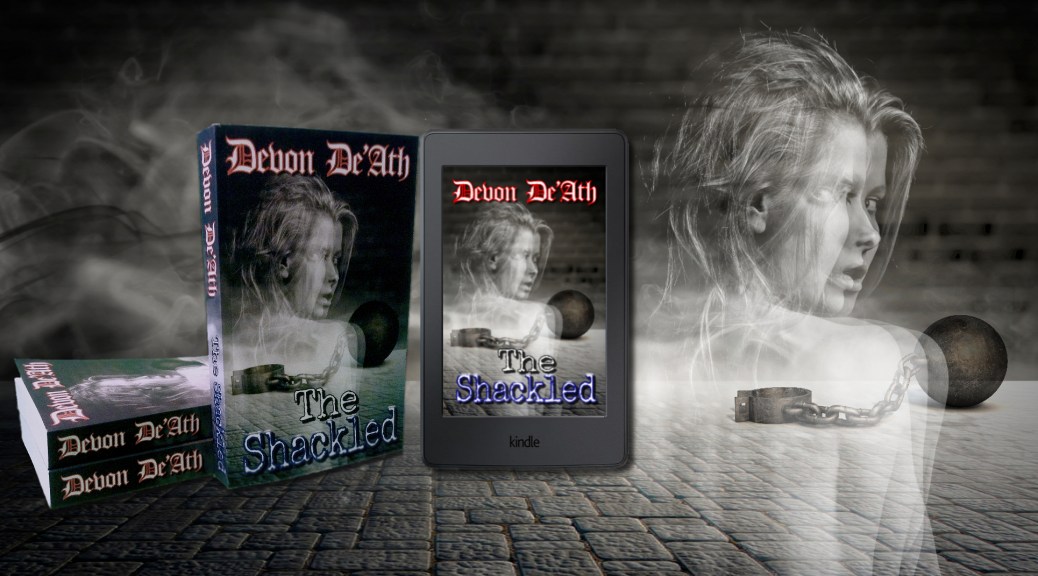
Like my other novels, ‘The Lychgate’ is to be released in paperback and Kindle formats, from 16th December. You can pre-order the Kindle version. Its page count will correct to 347, once both products go live and are linked on Amazon.

Amazon UK   :   Amazon US   :   Amazon CA

Way beyond Country Dancing

Well, it’s about that time again, Folks: the release of another novel.

It’s been a busy year since I sat down to write my first foray into the horror genre, ‘Maria’s Walk.’ On 27th June my fourth title, ‘Maypole,’ will take its place among the growing collection.

As a child at a small Kent primary school in the 1970s, country dancing classes were a regular part of our curriculum. Weaving together a new tale that folds in a lot of different folklore about Maypoles and their origin has been a great joy. These traditions are found across Europe and consequently travelled to the new world. I’ve examined associations from the Axis Mundi to dubious claims of phallic symbolism and everything in between. In the book, I draw out links with Yggdrasil and Norse mythology upon which to ground the mythos that leads to the inevitable, dramatic climax. And what a climax it is. I had a lot of fun with this one; not least of all because I got to blow stuff up. There are chases, escapes, a helicopter crash, Demonic imps manipulating children in a state of temporal flux, and an inter-dimensional showdown with a mythical spirit dragon. All that wrapped in a love story sitting on a theme of loss and transience that dispels the illusion of permanence. Phew!

If you’ve not read any of my work before but enjoyed titles like ‘The Magic Cottage’ and ‘Creed’ by the late, great James Herbert, you might find this story entertaining. However, if the magical environments, energy blasts and multi-dimensional transforming monsters of those books gave you a problem, ‘Maypole’ probably won’t be your cup of tea either. I know some people prefer tales of a more subtle nature and are quite concerned with their horror feeling ‘believable.’ I understand that, and like a well-written, subtle ghost story myself. What’s scarier than something so very close to the everyday, yet just beyond it in a way that feels like it might happen to you? Great stuff. However, I also enjoy outrageous fantasy horror (albeit set in the real world) with pace, action and heart. That’s more along the lines of my work in the genre.

For readers of my previous books: if you loved the magic battle at the pond in ‘Nevermere,’ then this new title should be right up your street.

As with its predecessors, ‘Maypole’ will be available in Paperback and Kindle formats.

The Durham Chase

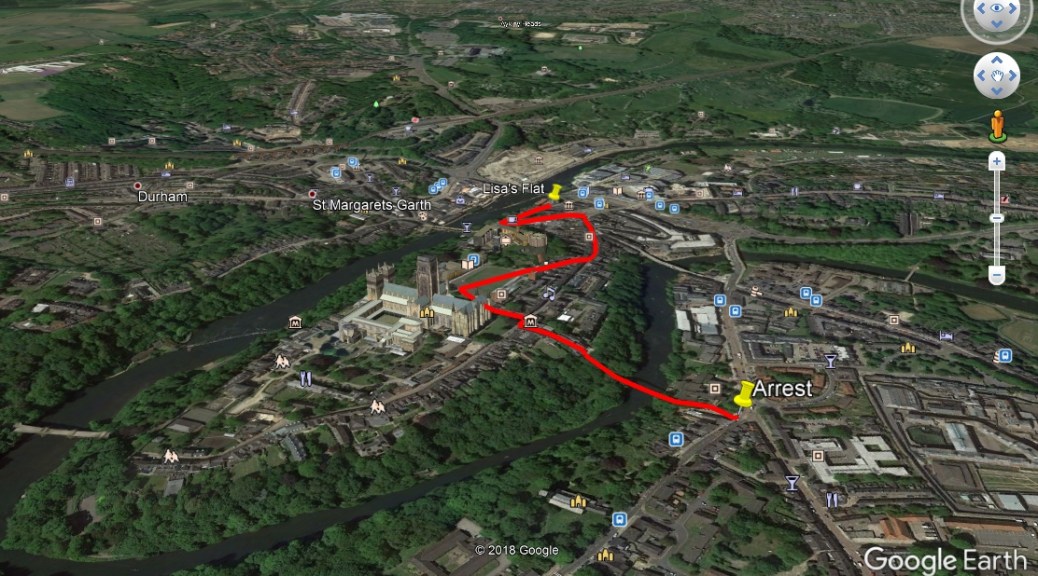
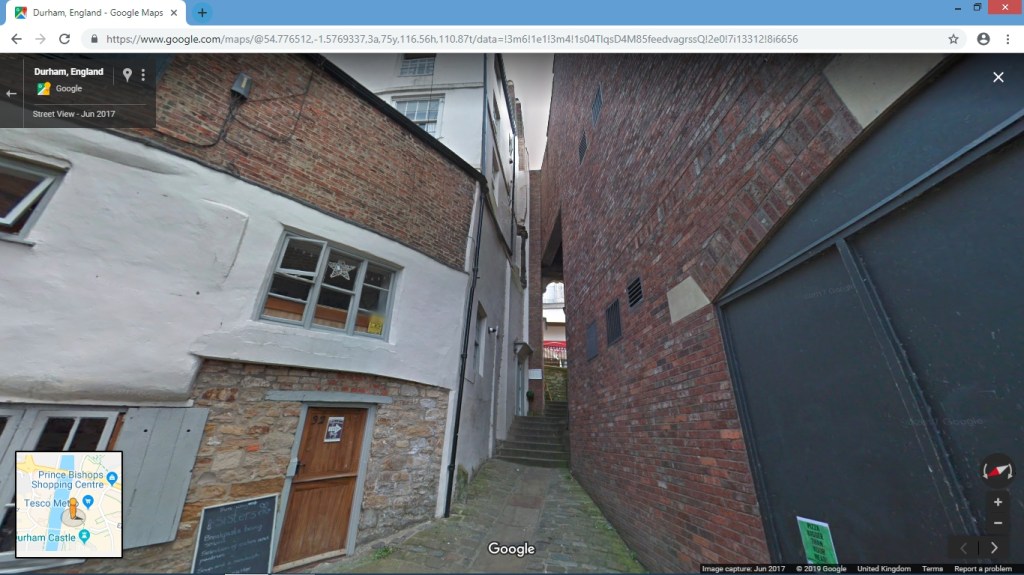
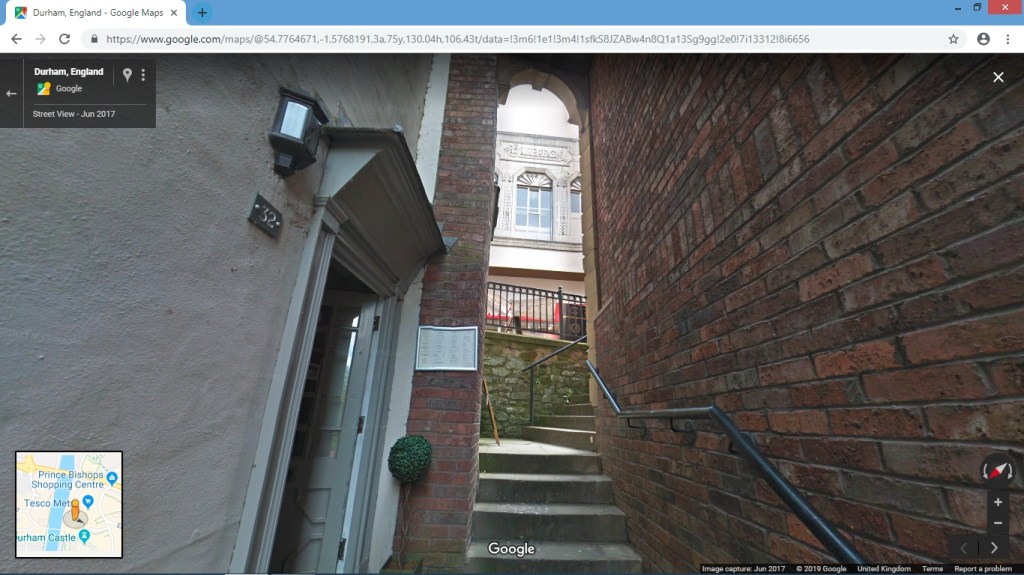
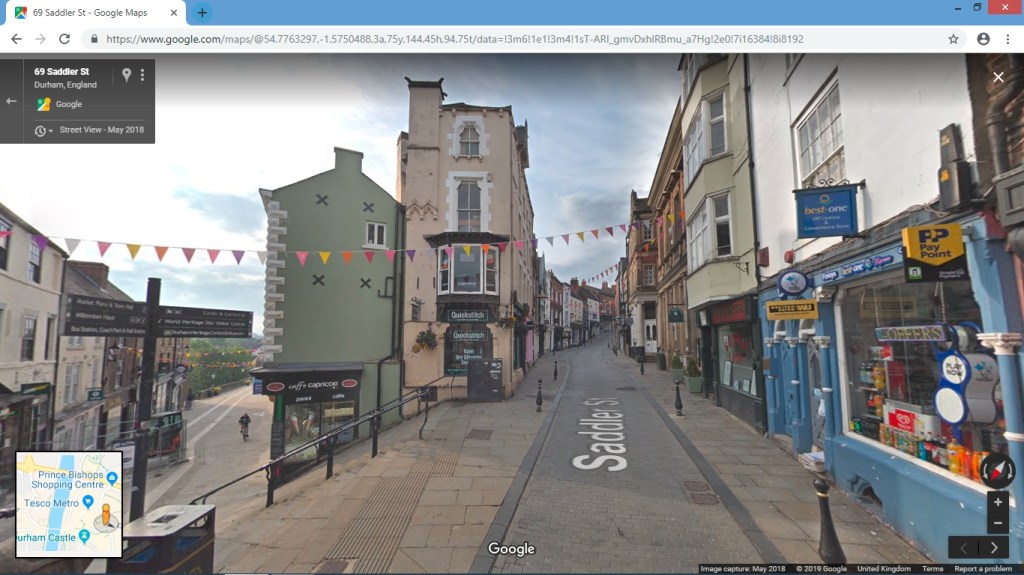
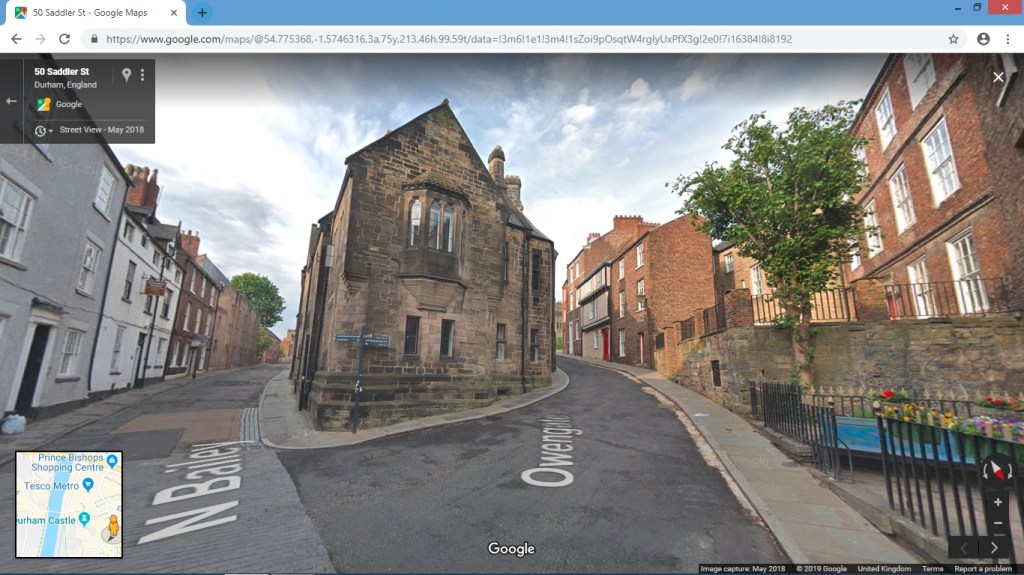
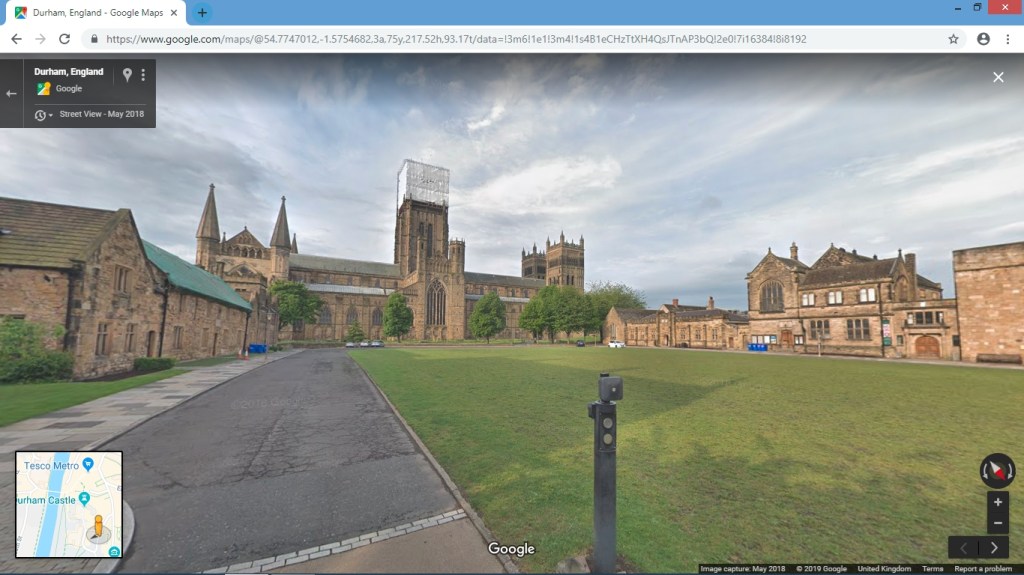
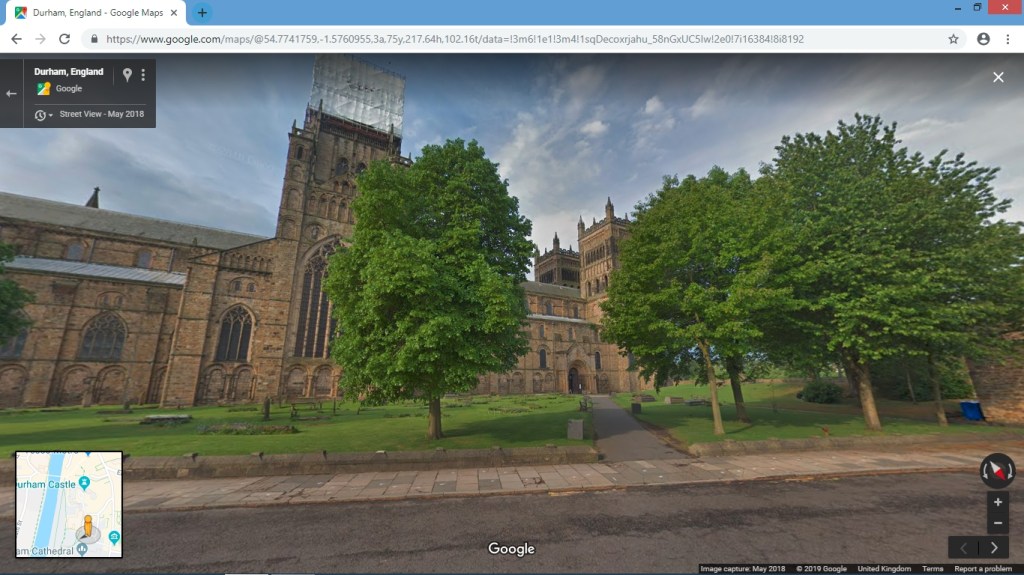
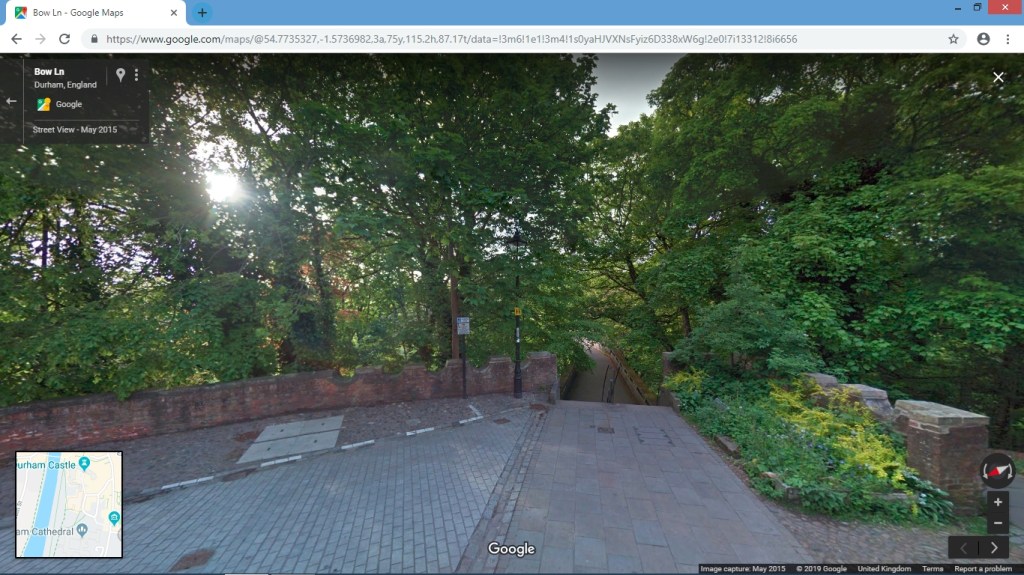
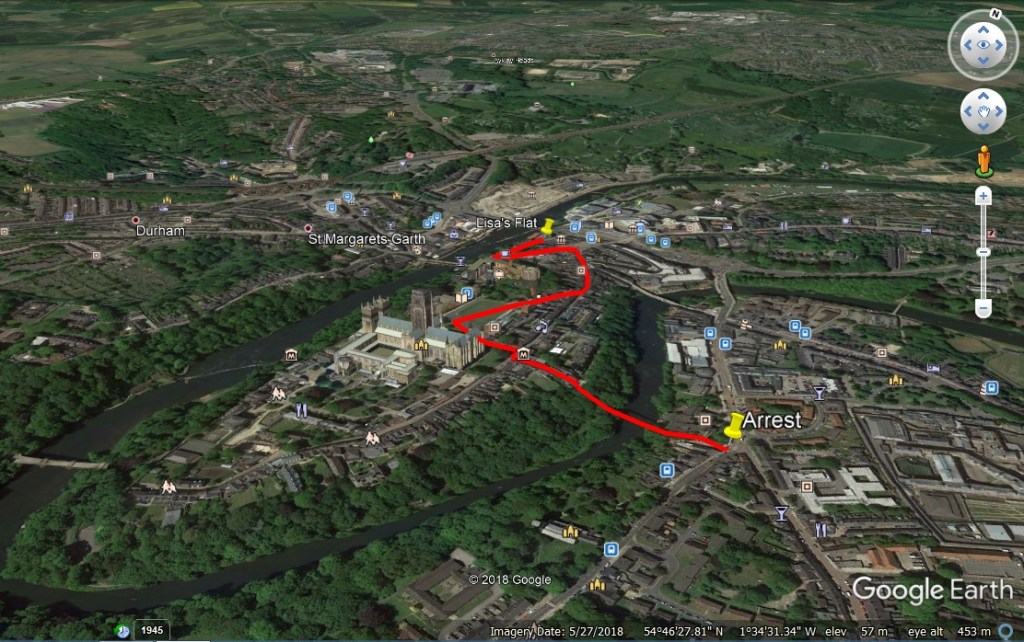
My new, upcoming indie horror title, ‘Maypole,’ opens with the central character, Lisa Marston, fleeing her abusive boyfriend. The chase begins at their flat in the old town part of Durham and follows a specific route (about 0.6 of a mile) to the traffic lights on Church Street. Here the pursuer gets in a scrap with a passing motorist and is arrested by police.

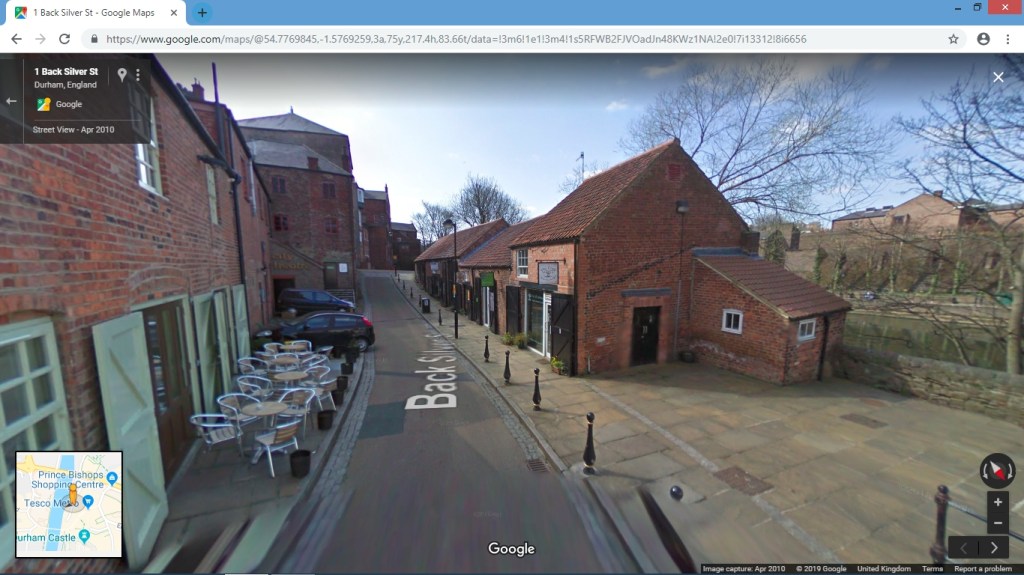
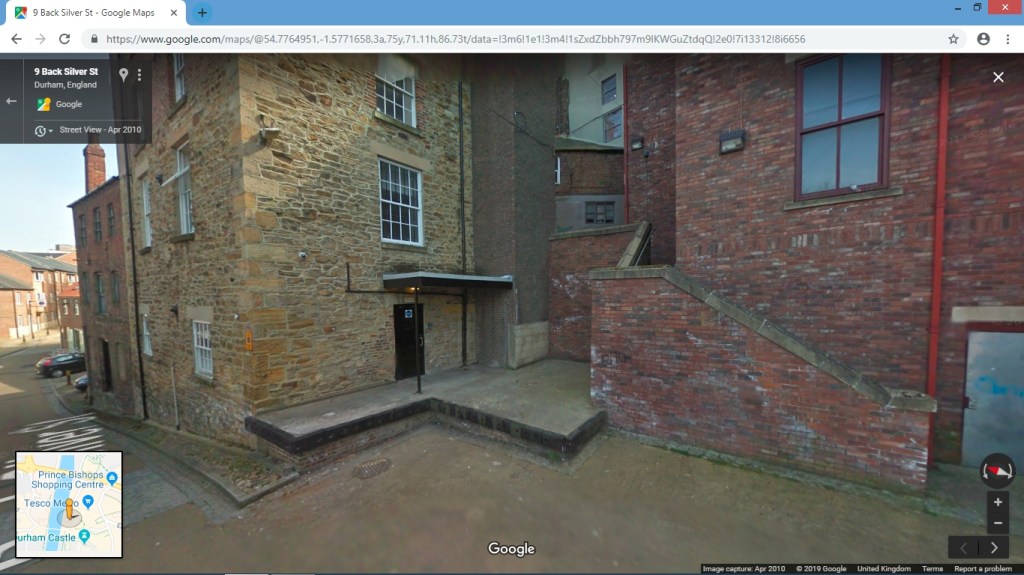
For those unfamiliar with this beautiful northern city, I include a series of images below to illustrate the route of the chase and an approximation of the journey seen through the fleeing woman’s eyes.

I hope you enjoy them.

‘Maypole,’ is due for release in paperback and Kindle on 27th June. The Kindle version is available for pre-order now.

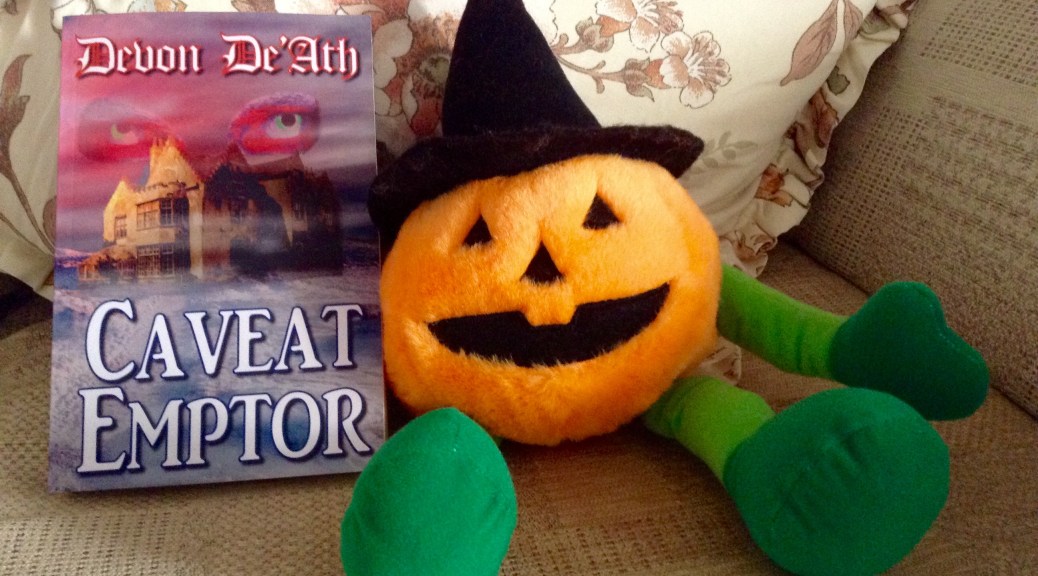
The Pumpkin Approves!

Pumpernickel, my Halloween pumpkin, horror consultant and writing mascot is lending his support to the new book, as pictured above.

I should probably point out that humans also enjoy reading it.

Amazon UK   :   Amazon US   :   Amazon CA

Around Ardenham

Regular readers will be aware that the fictitious town of ‘Ardenham’ from ‘Maria’s Walk’ is actually based on Faversham, my hometown on the Swale Estuary in Kent.

Maria herself was also inspired by a famous, real-life spectre known as ‘Diana.’ The book is dedicated to her. Maria’s character in the story is loosely drawn from a number of local speculations about who Diana may have been (albeit with much invention and embellishment to bring the plot to life).

Here are a few locations that inspired places in the book, with appropriate quotations and the odd note for your enjoyment.

Let’s start with the title image from this post.

Ardenham Marketplace

Faversham_Market_(6110526770)The guildhall stood an elegant, green, rendered structure with high, arched windows. The building rested on thick wooden stilts allowing a market to be held underneath. Once the local court house, it also featured a clock, flagpole and weather vane in the shape of a dragon. All around, wonky timber-framed buildings with high-pitched roofs clustered about the three principal streets that fed into this oft-photographed civic space.

Westbrook Pond

PondOn the other side of Dark Hill sat Westbrook Pond, fed from the Westbrook Stream that eventually flowed into Ardenham Creek in the centre of town. Lavington church reflected down into the mirror-like calm water from a tree-lined ridge above, and proved a popular scene for artists and photographers of all flavours. Jack had many fond memories of feeding the ducks there with his grandparents, whenever they came down to stay at Christmas back in the Seventies.

The Mermaid Inn

(Description based on the inn during the Regency period, as seen in a psychic dream by Gaby. It’s worth mentioning that the actual pub which inspired it – ‘The Anchor’ – is a great place to visit today. You can still sit in the room out back, where Richard Belmont meets with his henchmen in the book).

Pub‘The Mermaid’ was a large, tumbledown, timber-framed old inn squatting at the far end of Abbey Street. The place sat just before the wharf entrance to Ardenham Creek, where sailing vessels loaded and unloaded their cargo. Its reputation as a dirty, over-crowded den of cutthroats and villains of all shapes and sizes was well deserved. If you were a merchant, deckhand or salty sea dog in search of rough grog, a good fight, or pox-infested tumble with a coarse strumpet, you need go no further into town. The more genteel population of Ardenham secretly hoped the inn would never burn down nor shut its doors. While there were certainly other rough drinking establishments, fleshpots and diverse dens of iniquity to be found close by, its proximity to the embarkation/disembarkation point of maritime crews kept some of the rougher elements at arm’s length. Many never went any further than ‘The Mermaid,’ unless they had other business to attend to.

Glyndale Park Manor

(Note that the description doesn’t match the image here, as the building had a facelift during Victorian times. The reason this is an old black and white photo, is due to the fact the manor – Syndale – suffered a dramatic fire and was torn down in the 1960’s. Today there is a motel and gym on the site, which does indeed offer a commanding view of the estuary and town).

ManorTheir cork heels crunched on the gravel path. It led up to the tall pillars that supported a shady front porch fronting Glyndale Park Manor. White rendering shone in the late September morning sun, affording the impressive structure an almost ethereal quality to match its palatial grandeur. Even though the old place had clearly seen better days – particularly when examined up close – it was still an elegant former residence.

Gaby angled her head to look at Ardenham nestling in the shallow, rolling valley behind and just to the right of Abbey Wood. Above the assorted roofs, Lavington church could clearly be seen standing sentinel atop Dark Hill. Beyond, the estuary sparkled like a shimmering blanket of sequins.

Abbey Wood

(There are of course many sinister descriptions of Abbey Wood in the book. The real place – ‘Bysing Wood’ – can be pretty wild and creepy at times. However, since I have a more pleasant photo here of some bluebells in spring, I’ll include a quotation from near the end of the story).

WoodGaby grabbed his arm with a gasp, glancing around. “Jack, do you realise where we are?”
Jack studied his surroundings more closely. “Goodness. I hardly recognised it with all the carpets of bluebells. It’s the dell.”

So there you have it. I hope you enjoyed this little tour around Ardenham.

A Happy Monday

Well, if you’re going to start the week off right, waking up to the book review I found this morning is one good example of how to do it.

When I released my debut horror novel, ‘Maria’s Walk,’ I chose not to solicit reviews from anyone and just let the chips fall where they may. I’m an author in a number of different genres, but decided to let my horror work develop organically and see what sort of responses (if any) it received.

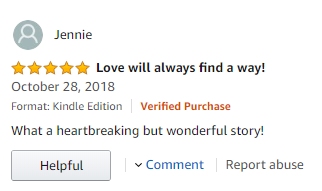
The following succinct review is from a reader in the US on Amazon, who found the tale to have had an emotional impact upon her. Clearly the mix of horror, romance and good old-fashioned storytelling worked like a charm here. It was so nice of this lady to jot down a few kind words, and also very much appreciated.

MW-Review1

So, a big thank you to ‘Jennie’ – whoever she may be – for making my Monday morning such a happy one with this first review of my first horror novel. I’m glad you enjoyed the book. Your encouragement certainly made sitting down to continue work on my second horror novel an effortless task.

Heart of a Heroine (how one cup of coffee changes a woman’s life)

When you read the first couple of chapters from my debut horror novel, ‘Maria’s Walk,’ it becomes clear that Jack Foreman is one of the key protagonists. Here he comes, back home to Ardenham after the sudden death of his parents. An ex-minister, he’s lost his religious faith and has been struggling to make a go of ordinary life in the corporate workplace.

Then during a café breakfast, he has an unexpected encounter with Gabriella Wagstaff. She joins him for coffee and you know the sparks are going to fly – even if the fire is a long, slow burn. It’s a coffee that changes her life (and his, for that matter).

Gabriella Wagstaff“Jack?” the musical, lilting female voice evidenced a hint of surprise and cheekiness.  It stirred the diner from further deep thoughts his fathomless mind had wandered into whilst eating.  “Jack Foreman?” the tone sounded again, as if to reinforce its first word with a reassurance tag provided by his surname.


Jack looked up, a piece of sausage and mushroom squashed together on the back of his fork.

A slender, shapely woman – about five and a half feet tall – had walked past him on the pavement, before glancing back over her shoulder.  Long, wavy, light brown hair cascaded across bare shoulders leading down to a white, strapless top.  Below that a slim waist and tight, rounded buttocks were wrapped in a pair of stonewashed jeans.  Her legs ended in bare ankles and open low-heeled sandals.  Jack moved his focus back north.  It followed an elegant neck to where a pair of aventurine eyes sparkled out from beneath subtly shadowed lids.  Neatly trimmed eyebrows raised slightly as the woman regarded him.  A long, slender nose led down to full, coral lips and pristine white teeth.

The man regarded her a moment longer, before his mind adjusted for the years and the penny dropped who it was.

“Gaby?  Gaby Wagstaff?!”  Jack released the knife and fork with a clatter, rising to his feet as the vision approached wearing a wide smile.  He took her by the hand and planted a reciprocated gentle kiss on the side of her face.

This younger sister of his childhood best friend, was deliberately created to be a perfect mirror character for Jack. In fact, the book is nothing without her. She is – in many ways – a stronger person than the quiet, brooding but sensitive man.

Gaby has been a massive success in the city, but now lost her faith in empty materialism. At the same time, her long-supressed psychic abilities kick-in with a vengeance.

So in Jack we have someone who once focused on the spiritual and ignored the material, but has now lost faith in the spiritual but wrestles with the material. While in Gaby we have someone who once focused on the material and ignored the spiritual, but has now lost faith in the material but wrestles with the spiritual.

Gaby wears her heart on her sleeve. She’s gentle but tenacious and often doubts her abilities. She finds strength in sharing her concerns with Jack. Her love for him and the figures in the unravelling backstory behind how the haunting of ‘Maria’s Walk’ came about, evidence genuine tenderness and empathy.

As the drama relating to the ghost of Maria unfolds, the conflict moves from internal struggles Jack and Gaby are wrestling with, to a full-blown, physical, emotional and spiritual battle that challenges both their worldviews. It takes a real ghost to help lay their personal ghosts to rest.

How do you solve a problem like Maria?

I simply couldn’t resist the obvious title to this post about my debut horror novel, ‘Maria’s Walk,’ because – despite being the name of a famous song from ‘The Sound of Music’ – it is also an apt description of the central issue faced by the book’s main characters.

For me, the story is a deeply personal one on a number of levels. Those who have read ‘An Interview with De’Ath’ (see the ‘About’ page) will know a little of my own history of spiritual evolution. There is certainly a lot of myself to be found in Jack Foreman (one of the story’s protagonists). The journey he undertakes resonates strongly with my own, as do the challenges of faith he encounters.

Fictitious Ardenham – the setting for the novel – is based quite closely on my own sleepy medieval English country market hometown on the Swale estuary in Kent. While names of key locations / businesses / historical figures etc. have naturally been altered appropriately, I still deliberately wrote the tale in such a manner that those with local knowledge will immediately feel at home in the setting of the story.

As kids, we grew up and went to a school similar to Abbey Wood Primary. Our lives were frequently overshadowed by the real-life haunting on which Maria is based. If you hadn’t encountered those manifestations personally, you almost certainly knew somebody who had. My own Catholic priest while I was a lad, got called upon to perform blessings at some of the new residences built along the route (walk) of the girl’s demise. Residences that suffered significant psychic disturbances. The opening scene of the book where a kid wakes up screaming after falling asleep in class – remembering a terrifying encounter while camping in the woods – actually happened. Cars conking out on the wooded hill, followed by the spirit drifting across the road or seemingly gliding over the surface of the old gravel pit lakes (which weren’t lakes during her lifetime) are all tales you’ll encounter first or second hand if you ask around.

To this day, walking or driving through the haunted wood is not the most pleasant experience, although ignorance may in fact be bliss if you are from out of town and don’t know the stories. It’s partly a heritage country park these days. One doesn’t have to do much digging to learn of a recent episode with some poor soul who has unwittingly encountered the spirit we all know as ‘Diana.’ There are a number of tales about who she was and how she died, to be found in our oral folklore. I have woven some of that together and developed a fictional account and fully-fledged fictitious backstory springing from one such possibility.

Writing ‘Maria’s Walk’ gave me the opportunity to vicariously play with the idea of some person or people attempting to finally lay that poor soul to rest. It also enabled me to work from a broad palette of themes including (but not limited to): unrequited love, societal mores and expectations, post evangelicalism, spiritual/religious questioning of faith, reincarnation, demonic influence, possession and spiritual warfare.

I’m a firm believer that good horror writing should be about more than just scaring or disturbing your readers. People want three dimensional characters they can empathise with, a vivid, detailed setting that feels like a real place (Ardenham is strongly based on one, of course), and a resolution that appears to have pushed back the darkness – for now.

‘Maria’s Walk’ is more than just a ghost story. It’s a love story too and a tale about good conquering evil at the hands of two old friends: A confused, unsure couple who discover they are part of a tragedy, love triangle, and spiritual battle that has been taking place in their old hometown for nearly two hundred years. Their own level of involvement even catches them unawares, but answers several questions and soothes many anxieties with which they have both been struggling.

So, how do you solve a problem like Maria? Well, somewhere along the way, it looks like Jack and Gaby might find the answer…